Lifestyle
6 Things Your Home Security Company Hopes You Never Find Out
By Curtis Jones · August 13, 2026
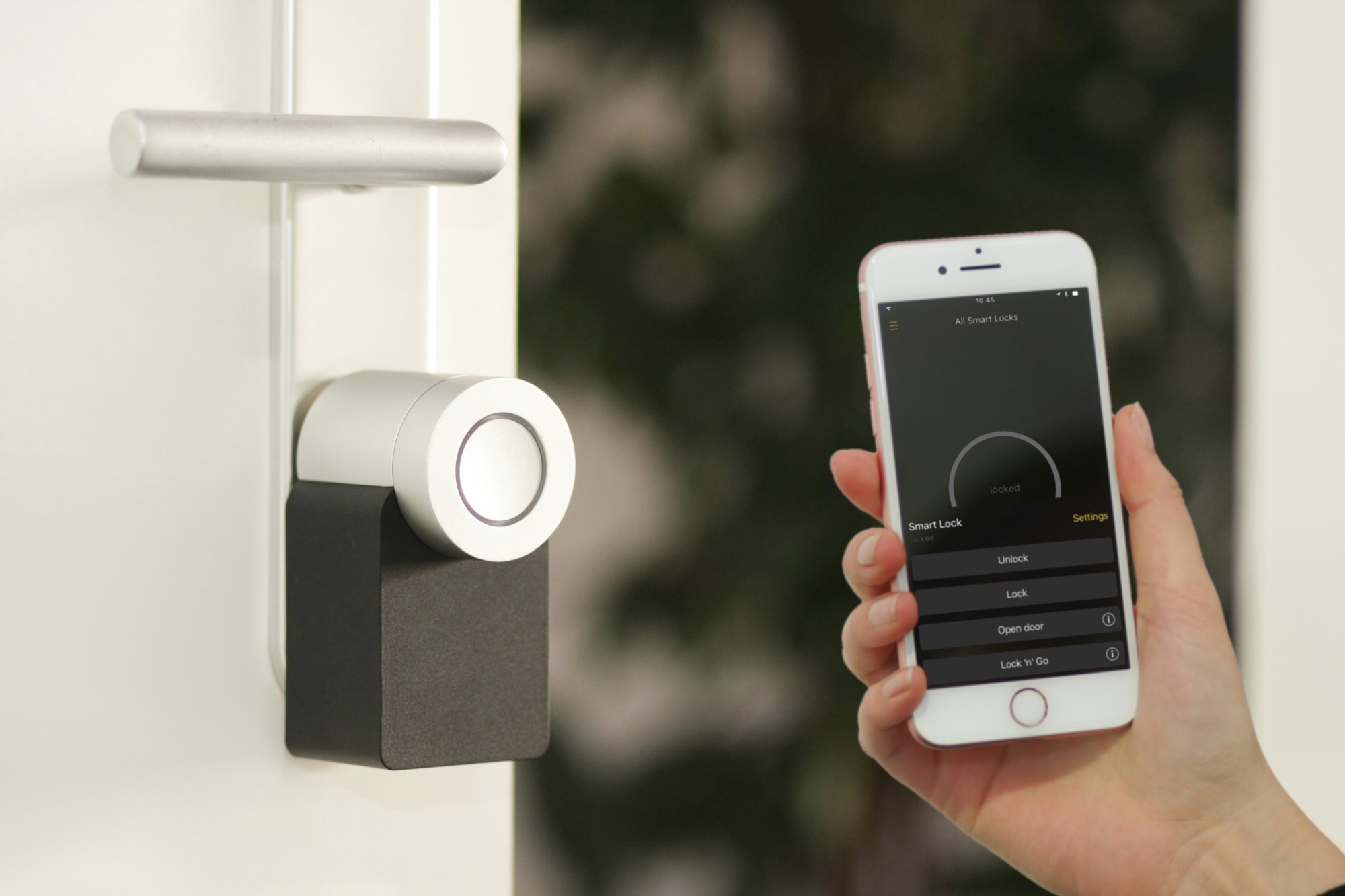
You signed up for peace of mind. What you got was a 36-month contract, a monthly monitoring fee, and equipment you don’t own.
The home security industry generates more than $50 billion in annual revenue, and the business model is built on long-term contracts that are easy to sign and punishing to leave. Here’s what the marketing materials leave out.
Your three-year contract may auto-renew without your knowledge. Most home security contracts include an auto-renewal clause that extends the agreement — often for an additional year — unless you cancel in writing during a narrow window. One of the most common complaints from frustrated security customers is discovering they’ve unknowingly signed up for a renewal they never authorized. In 2023, the Massachusetts Attorney General secured a $6.5 million settlement against Safe Home Security for allegedly trapping consumers in deceptive auto-renewal contracts.
You don’t own the equipment. Many security companies install their own hardware — cameras, sensors, control panels — and retain ownership. If you cancel or switch providers, they can require you to return the equipment or pay its full retail value. The “free installation” you received at sign-up was a lease, not a gift.
The cancellation fee can exceed the remaining contract value. Terminating a security contract early typically triggers a fee equal to 75% of the remaining monthly payments. On a 36-month contract at $50/month with 18 months remaining, that’s $675. Some contracts make the full remaining balance due immediately upon cancellation.
Hidden costs stack on top of your monthly rate. The advertised monitoring rate is the starting price. Alarm permits ($25 to $100/year), false alarm fines ($50 to $500+), cloud video storage ($3 to $15/month per camera), service call fees, and annual price increases of 2% to 5% can add $300 to $600 per year in costs the sales representative never mentioned.
Your system may not work during a power or internet outage. Systems that rely on Wi-Fi or broadband for communication go offline when your internet does. Cellular backup maintains connectivity but is often an add-on costing $5 to $15 per month extra. If your system doesn’t have it, a power outage or cut cable line disables your security at exactly the moment you might need it most.
DIY systems now match or exceed professional monitoring quality. Companies like SimpliSafe, Ring, and Abode offer self-installed systems with professional monitoring at $10 to $25 per month — no long-term contract required, cancel anytime. The equipment is yours. The monitoring is optional. And the coverage is functionally equivalent to what the traditional security companies charge two to three times more to provide.
The security industry sells fear. The contract locks in revenue. Knowing what you signed — and what alternatives exist — is the only way to ensure you’re paying for protection, not a subscription you can’t escape.