Lifestyle
6 Things Most Dog Owners Don’t Check Before Leaving Their Pet
By Erica Coleman · August 20, 2026
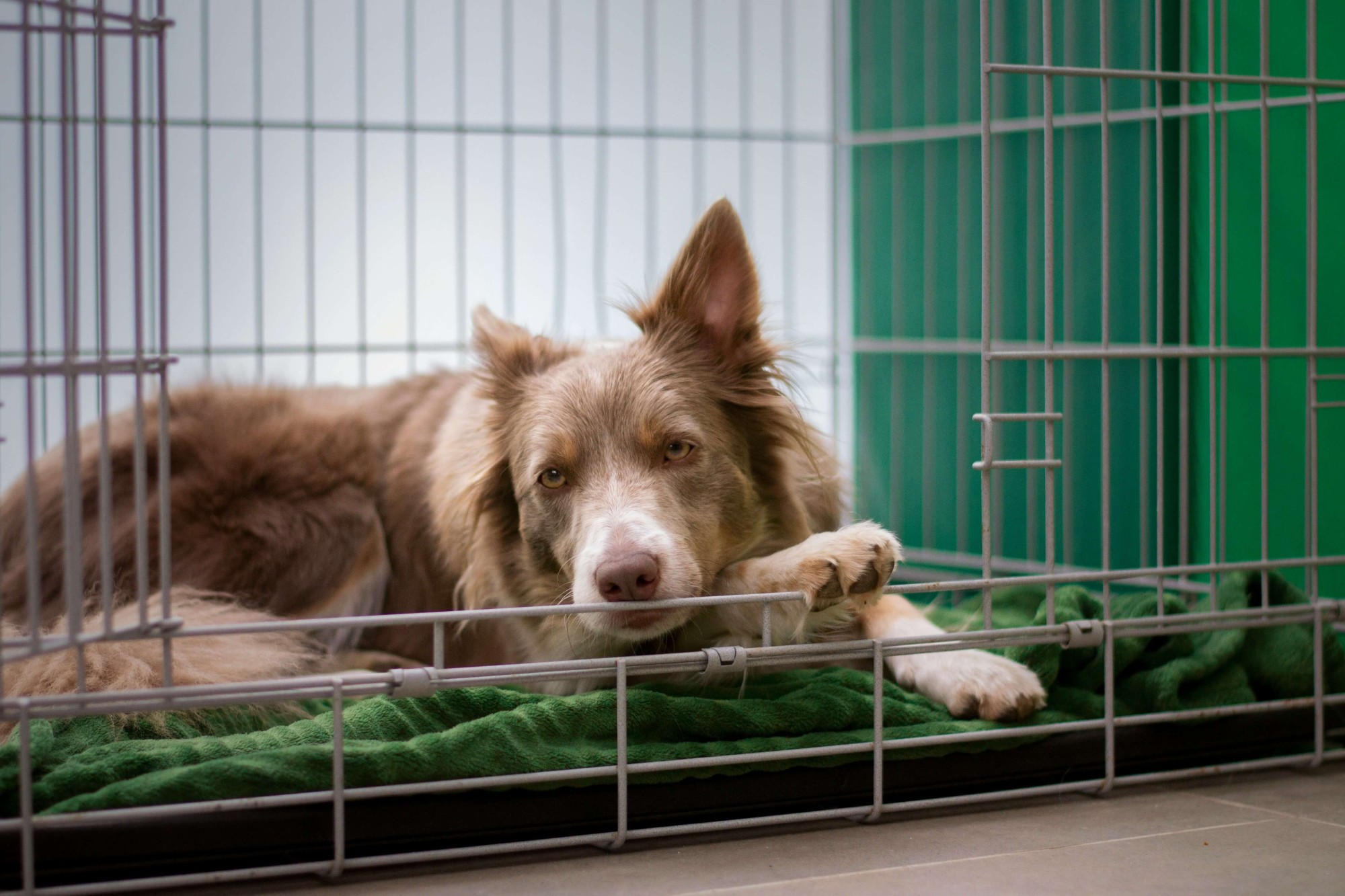
You’re going on vacation. You’re dropping off your dog. You looked at the website, read some reviews, and handed over the leash. You didn’t ask the six questions that determine whether your pet is safe while you’re gone.
The pet boarding industry generates more than $9 billion annually, and the regulatory oversight ranges from strict to nonexistent depending on your state. Here’s what most facilities don’t tell you unless you ask.
Licensing requirements vary wildly — and some states have none. Some states require pet boarding facilities to be licensed and inspected by the department of agriculture or a similar agency. Others have no licensing requirement at all. A “licensed and inspected” facility in Virginia may meet standards that a facility in a neighboring state isn’t required to meet. Check whether your state requires licensing — and if it does, ask to see the facility’s current license and most recent inspection report.
Staffing at night may be minimal or nonexistent. Many boarding facilities are staffed during the day but not overnight. Your dog may be alone in a building from 8 PM to 6 AM with no human present. If your pet has a medical emergency, a seizure, or a fight breaks out between animals in a shared space, the response depends on whether anyone is there to respond. Ask directly: “Is someone on-site overnight, or is the facility monitored by camera only?”
“Supervised play” may mean one person watching 30 dogs. Group play areas are a selling point for many boarding facilities. But the staff-to-dog ratio during group play determines whether your dog is actually supervised or just present in a room with other animals. A 1:15 ratio is considered safe by most industry guidelines. A 1:30 ratio means one person is watching a room where fights, injuries, and escapes are significantly more likely.
Vaccination requirements don’t guarantee a healthy environment. Most facilities require proof of rabies, distemper, and bordetella (kennel cough) vaccination. But bordetella vaccines don’t cover all strains of kennel cough, and facilities that don’t require the canine influenza vaccine are exposing your dog to a highly contagious respiratory illness. Ask which vaccines are required — and whether any animals with active respiratory symptoms are isolated or turned away.
The contract limits their liability if your pet is injured or dies. Most boarding agreements include a liability waiver or limitation clause. Read it. Many cap the facility’s financial responsibility at the boarding fee — meaning if your dog is injured in a fight, escapes, or dies of heatstroke, the maximum the facility owes you is the $45/night you paid. Some contracts require you to waive your right to sue entirely. These clauses are often presented as routine paperwork during a chaotic drop-off.
You can visit unannounced — and the response tells you everything. A facility that welcomes unannounced visits is confident in its operation. A facility that requires appointments or restricts access to certain areas may be hiding conditions it doesn’t want you to see. Ask during the tour whether you can stop by unannounced to check on your pet. The answer — and the body language — tells you more than the website ever will.
Your dog can’t tell you whether the facility is safe. The only person who can determine that is you — before you leave.