Lifestyle
5 Ways You’re Probably Overpaying for Your Prescription Drugs Without Knowing It
By Erica Coleman · July 20, 2026
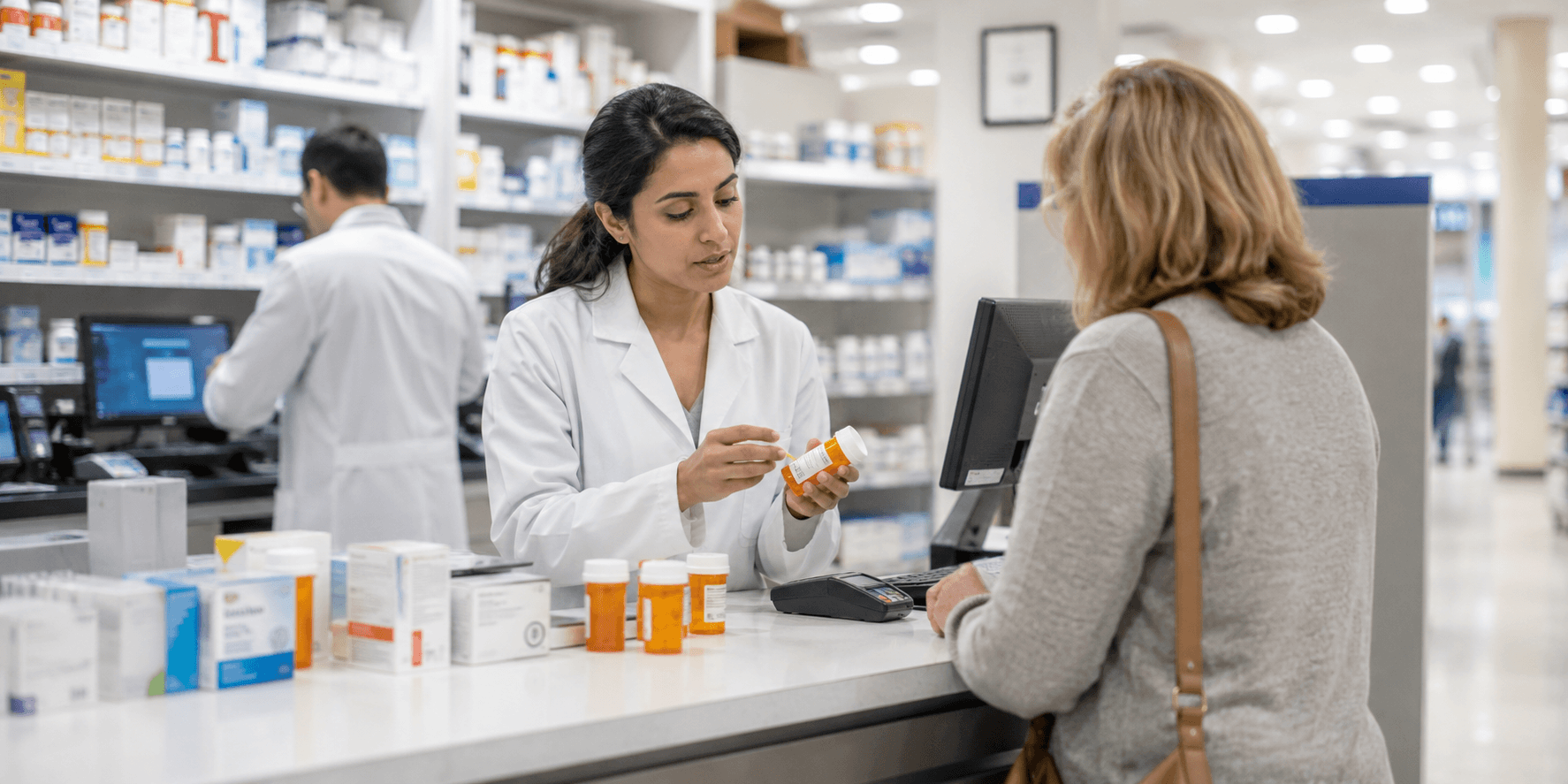
The price your insurance company pays for a prescription and the price you pay at the counter are two different things. Most patients assume they’re connected. Often, they’re not.
American drug pricing is built on a system of middlemen, negotiated rates, and opaque contracts that produces wildly different prices for the same medication at the same pharmacy — depending on how you pay. Prices for the same generic drug can vary by up to 500% between pharmacies in the same zip code. Most patients never find out because they hand over their insurance card and assume the system is handling it. Here’s where money is quietly leaving your wallet.
You’re paying your insurance copay when a discount card would cost less. This is the single most common overpayment in American pharmacy — and pharmacists say it happens constantly. Discount programs like GoodRx work by aggregating negotiated rates from pharmacy benefit managers and displaying the lowest available cash price at pharmacies near you. For generic medications especially, that price often beats the insurance copay — sometimes dramatically. GoodRx reports that Americans have saved over $85 billion on prescriptions since 2011, and in 2024 users saved an average of 83% off retail prices. The catch: you can’t use both insurance and a discount card on the same prescription, and paying with a discount card doesn’t count toward your deductible. Worth checking both prices before you pay — it takes about 30 seconds at goodrx.com.
You’re filling 30-day supplies when 90-day supplies would cost less. Most insurance plans and discount programs charge a dispensing fee per transaction rather than per pill — meaning a 90-day supply often costs meaningfully less than three separate 30-day fills. For maintenance medications you take every day — blood pressure drugs, cholesterol medications, thyroid medications — asking your doctor to write a 90-day prescription and filling it through a mail-order pharmacy can reduce annual costs by 20% to 30% on the same drug. Most insurers with mail-order pharmacy programs require a 90-day prescription to use them.
You’re taking a brand-name drug when a generic is available and equivalent. Brand-name drugs can cost 80% to 85% more than their generic equivalents, which the FDA requires to have the same active ingredient, strength, dosage form, and route of administration. Pharmacists note that some patients specifically request brand-name drugs out of habit or skepticism about generics — and their doctors, not wanting to create friction, write the prescription accordingly. Asking your doctor or pharmacist whether a generic is available — and whether it’s appropriate for your specific situation — is the fastest way to find out if you’re paying a premium you don’t have to.
You’re not asking the manufacturer for help with brand-name drugs that have no generic. Most major pharmaceutical companies run patient assistance programs — sometimes called PAP programs or co-pay cards — that can dramatically reduce the out-of-pocket cost of brand-name medications for patients who qualify. Income thresholds are often higher than people assume: many programs accept patients earning up to 300% to 400% of the federal poverty level, which translates to roughly $62,000 to $83,000 for a single person in 2026. NeedyMeds.org maintains a free searchable database of patient assistance programs. These programs are not available to Medicare or Medicaid patients, but for commercially insured patients, they can reduce a $400 monthly copay to $10 or less.
You’re on a Medicare Part D plan that doesn’t match your actual medications. Medicare Part D plans vary significantly in which drugs they cover, at what cost-sharing tier, and at which pharmacies. A plan that covers one person’s medications cheaply may be expensive for someone on a different set of drugs. The Medicare Plan Finder at medicare.gov/plan-compare allows you to enter your specific medications and compare what each available plan would cost you in total annual out-of-pocket spending — not just the premium. Most people who use it find at least one plan that would save them money. The open enrollment window runs October 15 through December 7 each year, and changes take effect January 1.
The common thread across all five: the system does not automatically find you the lowest price. It gives you the price that’s easiest for the system to charge. Finding the lower price takes about five minutes of asking the right questions — and pharmacists consistently say those questions go unasked far more often than they should.