Lifestyle
5 Things Most People Don’t Know About Their Homeowner’s Insurance Deductible
By Erica Coleman · August 5, 2026
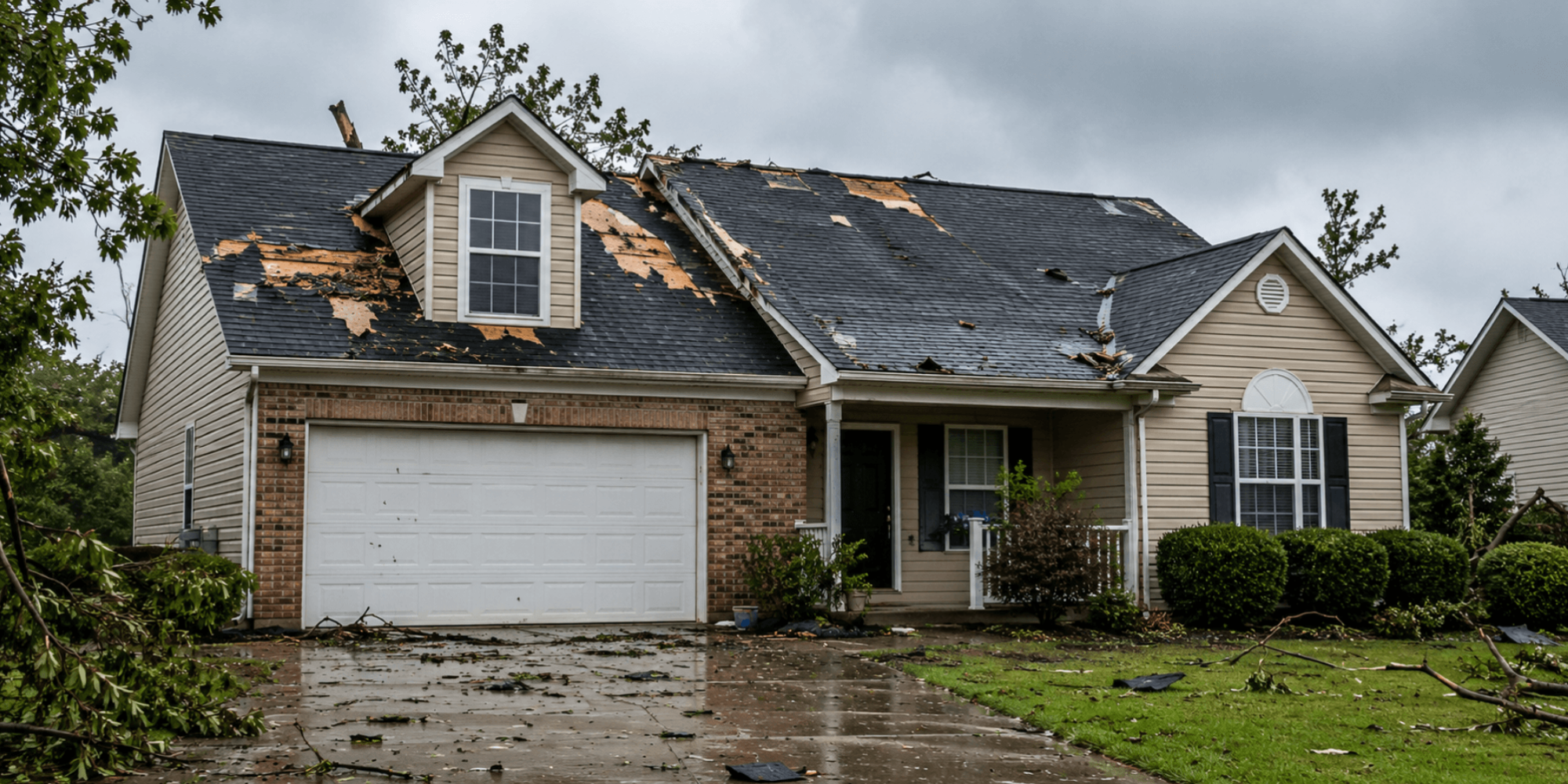
You think your deductible is $1,000. It might be $15,000 — depending on what hits your house.
Most homeowners know they have a deductible. Fewer know that the number they remember from their policy may not be the number that applies when they actually file a claim. Deductible structures in homeowner’s insurance have gotten significantly more complicated, and the gaps catch families at the worst possible moment.
Your wind or hurricane deductible may be a percentage, not a flat amount. In coastal and hurricane-prone states, standard homeowner’s policies often include a separate wind or hurricane deductible calculated as a percentage of your home’s insured value — typically 2% to 5%. On a home insured for $400,000, a 2% hurricane deductible means you pay $8,000 out of pocket before coverage kicks in. That’s dramatically higher than the $1,000 or $2,500 standard deductible most people expect.
Named-storm deductibles trigger differently than you think. Some policies distinguish between a “hurricane deductible” and a “named-storm deductible.” A named-storm deductible applies to any storm the National Weather Service names — including tropical storms that never reach hurricane strength. A strong tropical storm that causes $12,000 in damage could trigger a percentage deductible that exceeds your actual loss.
Your deductible resets per incident, not per year. Unlike health insurance, which has an annual deductible that resets each January, homeowner’s deductibles apply per claim. Two hailstorms in one summer means two deductibles. A burst pipe in March and a tree through the roof in August means two deductibles. There is no annual cap.
Raising your deductible saves less than you’d expect. Moving from a $1,000 to a $2,500 deductible typically saves 10% to 15% on your annual premium. On a $2,000 annual policy, that’s $200 to $300 in savings — meaning it takes nearly 7 to 10 claim-free years to break even on the additional $1,500 you’d owe if something happens. The math works for people who never file claims. For everyone else, the savings evaporate the first time a tree falls.
Some damage types have no deductible at all — because they’re not covered. Flood damage requires a separate flood insurance policy. Earthquake damage requires a separate earthquake policy. Sewer backup typically requires an endorsement. If you assume your homeowner’s policy covers everything, you may discover at claim time that the deductible question is irrelevant — because the damage isn’t covered at all.
Your deductible isn’t one number. It’s a structure — and the structure determines how much of a loss you absorb before your insurance company pays anything. Reading your declarations page once a year, understanding which perils carry percentage deductibles, and knowing what your policy excludes entirely are the only defenses against a surprise that arrives alongside the storm.