Lifestyle
5 Signs of a Silent Heart Attack Most People Don’t Recognize
By Curtis Jones · August 6, 2026
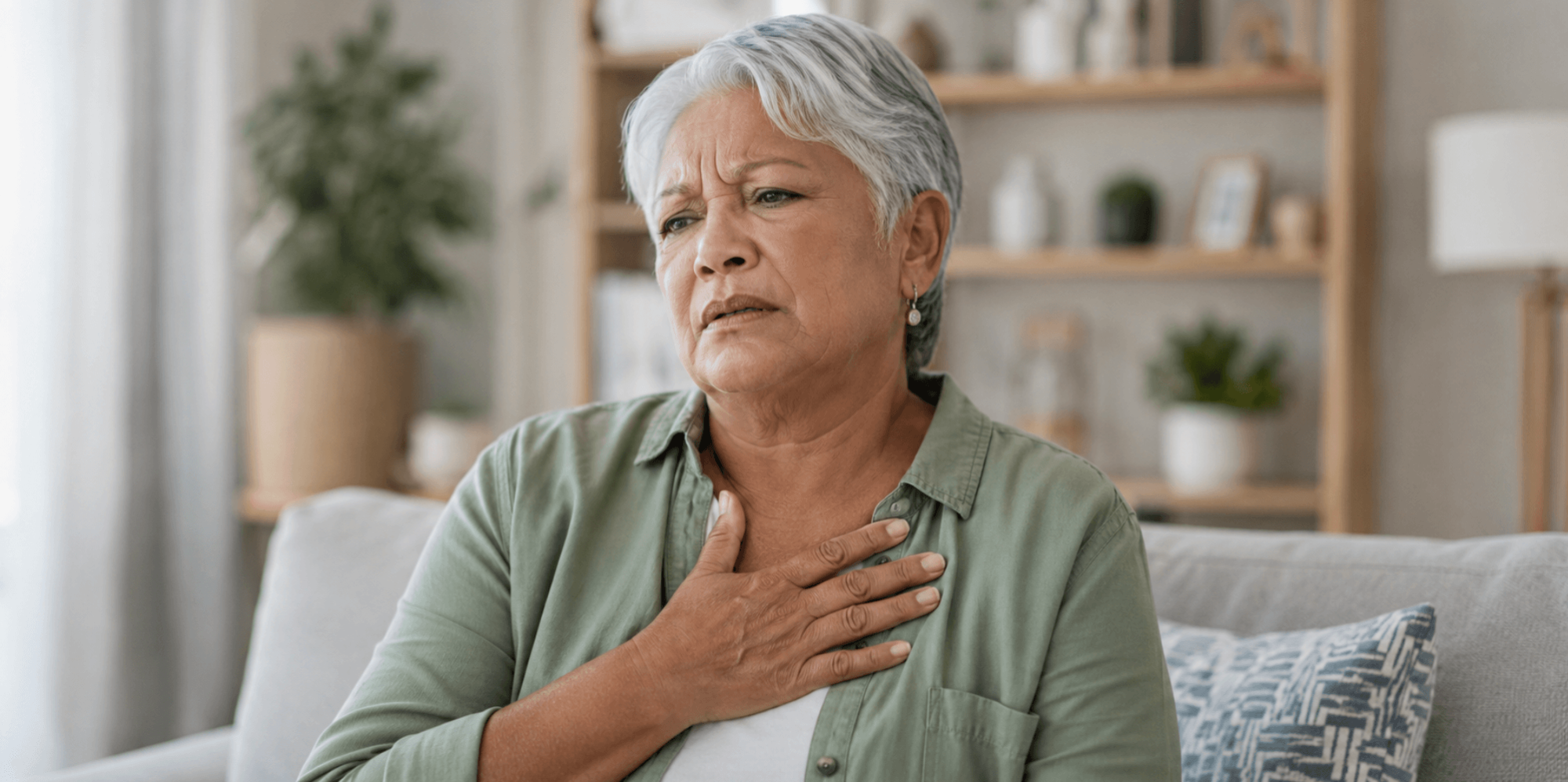
Nearly half of all heart attacks are silent. The person having one doesn’t know it — because it doesn’t feel like what they expect.
A silent heart attack, medically known as a silent myocardial infarction, causes the same damage to the heart muscle as a classic heart attack but produces symptoms so mild or atypical that most people attribute them to indigestion, fatigue, or stress. Researchers estimate that up to 45% of all heart attacks fall into this category, and they’re only discovered later when an EKG or imaging test reveals the scar tissue.
Here’s what cardiologists say to watch for.
Pressure or discomfort in the chest that comes and goes. It may not feel like the crushing pain people associate with a heart attack. Instead, it presents as a tightness, squeezing, or fullness in the center of the chest that lasts a few minutes, eases, then returns. Many people describe it as feeling like a heavy weight or a band across the chest. Because it’s intermittent, most people wait it out — and that delay can be the difference between treatable damage and permanent loss of heart function.
Unexplained fatigue that hits suddenly. Women are particularly likely to experience sudden, overwhelming tiredness as a primary heart attack symptom. The fatigue may appear days before the event and feels different from normal exhaustion — heavier, more oppressive, and unrelated to exertion. It’s frequently mistaken for lack of sleep, stress, or the onset of illness.
Pain in the jaw, neck, back, or arms without an obvious cause. Heart attack pain doesn’t always center in the chest. Referred pain — pain that originates in the heart but is felt elsewhere — can appear in the left or right arm, the jaw, between the shoulder blades, or in the upper back. If the pain doesn’t have a clear musculoskeletal explanation and is accompanied by any other symptom on this list, it warrants medical evaluation.
Nausea, cold sweats, or lightheadedness without illness. These symptoms mimic a stomach bug or anxiety attack. But when they appear together — or alongside chest discomfort or unexplained fatigue — they can signal reduced blood flow to the heart. Cold sweats in particular are a red flag that most people don’t associate with cardiac events.
Shortness of breath with minimal exertion. Becoming winded while climbing stairs, walking across a parking lot, or doing light housework when those activities didn’t previously cause breathlessness is a sign the heart isn’t pumping efficiently. When combined with any of the above symptoms, it’s one of the strongest indicators of a cardiac event in progress.
The risk is highest in adults over 60, people with diabetes (which can mask pain signals), and those with high blood pressure, high cholesterol, or a family history of heart disease. The test is a standard 12-lead EKG — quick, noninvasive, and available at any urgent care or emergency room. If you’re experiencing multiple symptoms on this list, don’t wait to see if they pass. Every minute of reduced blood flow causes damage that can’t be reversed.