Lifestyle
5 Mistakes Most People Make When Filing a Home Insurance Claim
By Erica Coleman · August 6, 2026
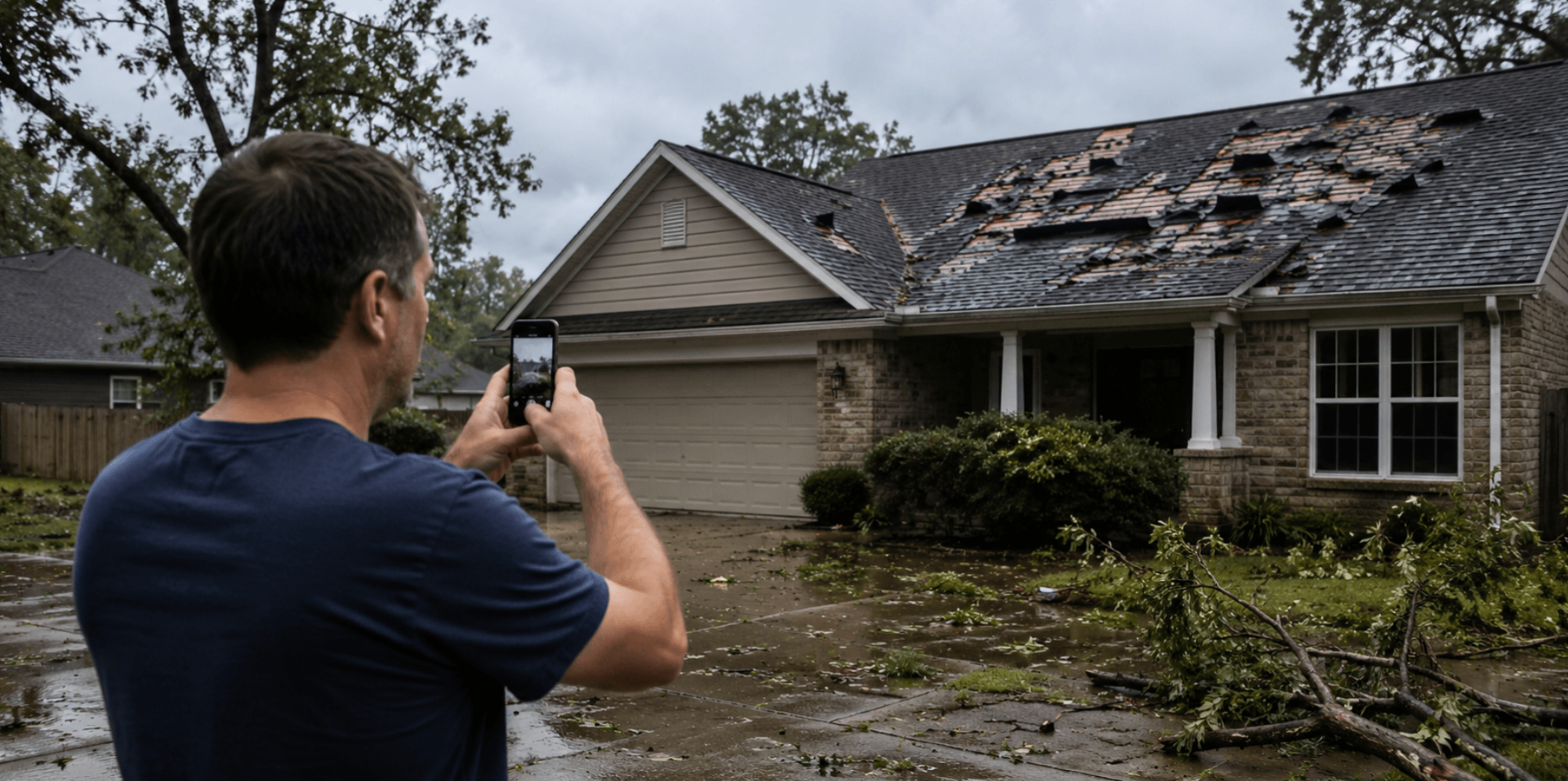
The five largest home insurance groups in America didn’t pay out on more than 44% of claims last year. Some of those denials were legitimate. Many weren’t — and the homeowner’s own mistakes made the difference.
Filing a home insurance claim feels like it should be straightforward: something breaks, you call your insurer, they fix it. In practice, the claims process is dense enough that small errors can give insurers a reason to deny, delay, or underpay. Here’s where most homeowners go wrong.
Waiting too long to file. Most policies require you to report damage within a specific window — often 30 to 60 days, sometimes less for certain perils. Missing that deadline gives insurers an automatic reason to deny. Even if the damage is real and clearly covered, a late filing shifts the burden to you to prove you had a valid reason for the delay. File within days, not weeks.
Not documenting the damage before cleaning up. Your instinct after a pipe bursts or a tree comes through the roof is to start cleaning immediately. That instinct costs money. Insurance adjusters need to see the damage as it happened. Before you touch anything, photograph and video every angle of the affected area — floors, walls, ceilings, belongings. Include wide shots and close-ups. Date-stamped photos from your phone are acceptable evidence. Cleaning up before documenting gives the adjuster less to work with and you less to argue with.
Making permanent repairs before the adjuster arrives. You’re expected to prevent further damage — covering a broken window with plastic, putting a tarp over a damaged roof, stopping a water leak. That’s called mitigation, and your policy requires it. But making permanent repairs before the insurance company inspects the damage can void your claim. The distinction between temporary mitigation and permanent repair is critical, and it’s one most homeowners don’t know about until it’s too late.
Accepting the first offer without questioning it. The adjuster’s initial settlement offer is a starting point, not a final number. Insurance companies employ adjusters to minimize payouts — that’s the job. Many homeowners accept the first number because they don’t realize they can push back. Requesting an itemized breakdown of the assessment, comparing it to contractor estimates, and filing a formal dispute if the numbers don’t match are all within your rights.
Not understanding what your policy actually covers. The most common reason for claim denials isn’t fraud or bad faith — it’s homeowners filing claims for damage their policy excludes. Flood damage requires a separate flood policy. Earthquake damage requires a separate earthquake endorsement. Sewer backup, mold, and foundation settling may or may not be covered depending on your specific policy language. Reading your declarations page before disaster strikes — not after — is the only way to know what you’re actually protected against.
The insurance company has an entire claims department. You have a phone and a policy you may not have read. Closing that gap before you need to file is the cheapest insurance you can buy.